
The Gen Z Effect: How a New Generation Is Rewriting the Rules of Spending and Saving
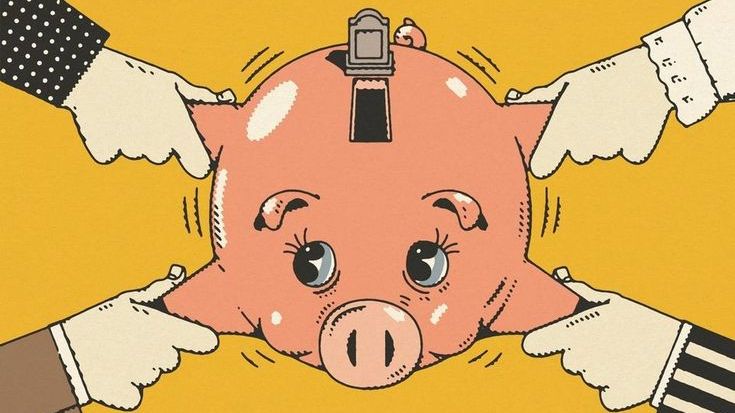
Gen Z is rewriting the rules of money. Shaped by economic uncertainty, rising costs, and a digital-first world, they balance cautious saving with “treat yourself” spending.
Generation Z, broadly those born between the late 1990s and early 2010s, is now a major force in the economy. They are still early in their earning lives, but their habits are already reshaping how brands sell, how banks design products, and how households think about money. Their approach is a mix of caution and indulgence, and it doesn't fit neatly into older patterns.
Raised in uncertainty
Gen Z's financial outlook was shaped by the world they grew up in. Many watched parents and older siblings go through the 2008 financial crisis, then entered adulthood during a pandemic, rising living costs, and a volatile job market. Housing is expensive, entry-level wages often lag behind costs, and gig work has made income less predictable.
The result is a generation that is financially anxious but also financially aware. They talk about money openly, compare notes online, and are more willing than previous generations to question traditional milestones like buying a home early or staying with one employer for decades.
How Gen Z consumes
Digital-first, mobile-first. Gen Z discovers, compares, and buys on their phones. Social media, short-form video, and creator recommendations often matter more than traditional advertising. Peer reviews and authenticity count for more than polished branding.
Values-driven buying. Sustainability, ethical sourcing, and brand transparency influence many purchases. The gap between stated values and actual spending is real, since price still wins often, but brands that appear to contradict their messaging risk quick backlash.
Experiences over ownership. Travel, concerts, dining, and shared experiences take priority for many young consumers. Subscriptions, rentals, resale platforms, and second-hand shopping appeal because they offer access without the commitment of owning.
Instant, frictionless payments. Digital wallets, UPI-style instant payments, and buy-now-pay-later options make spending easy. That convenience is a double-edged sword: it reduces friction, which can quietly encourage impulse purchases.
The "treat yourself" paradox. Many Gen Z consumers cut back on big goals while spending on small comforts such as coffee, food delivery, or fashion. Some see this as rational, since small rewards feel attainable when large ones like property feel distant. Others see it as a risk to long-term wealth.
How Gen Z saves
Saving early, but cautiously. Having seen economic shocks, many in Gen Z prioritize emergency funds and a financial cushion. Side hustles and multiple income streams are seen as a form of security, not just extra money.
Investing through apps. Low-cost platforms have lowered the barrier to entry. Mutual funds, index investing, SIPs, and in some cases stocks and crypto are accessible with small amounts. Finance content on social media has driven interest, though quality varies widely, and hype can push people toward risky or poorly understood bets.
Budgeting with tools. Expense-tracking apps, savings goals, and automated transfers are common. Gen Z tends to prefer systems that make saving automatic rather than relying on willpower.
Delayed traditional milestones. Marriage, homeownership, and even independent living are often postponed, partly for financial reasons. That changes savings priorities: money may go toward skills, travel, or flexibility rather than a down payment.
The broader economic impact
- For businesses: Marketing has shifted toward creators, community, and transparency. Pricing, flexible payment options, and a strong digital experience matter more than ever.
- For financial institutions: Banks and fintech firms are competing on user experience, low fees, and financial education, not just interest rates.
- For the economy: Higher spending on experiences and digital services, along with growth in resale and subscription models, is altering demand patterns across retail, hospitality, and entertainment.
Risks and challenges
Gen Z's financial habits have weaknesses too. Easy credit and buy-now-pay-later schemes can lead to debt if used carelessly. Social media can fuel comparison-driven spending and unreliable investment advice. And low or unstable early incomes limit how much anyone can save, regardless of intent.
Conclusion
The Gen Z effect isn't a simple story of either reckless spending or disciplined saving. It is a generation adapting to an uncertain economy with new tools, new values, and different priorities. Their influence will grow as their incomes do, and businesses, policymakers, and financial institutions that understand how they think will be best placed to serve them.