
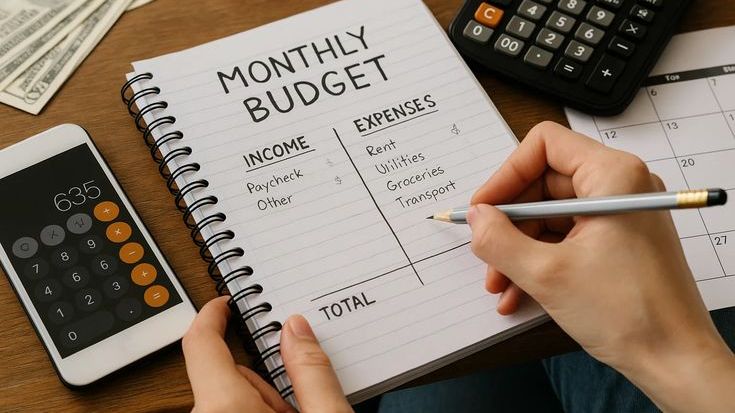
Most budgets fail because they are overly restrictive or complex, rather than due to a lack of willpower.
January 1st. You sit down, open a spreadsheet, and build the perfect budget. Every rupee has a job. Every category is planned. You feel in control, maybe for the first time in years.
By February? The budget is forgotten. The spreadsheet sits unopened. And you're back to wondering where your money went.
Sound familiar? You're not alone. Most people who start a budget quit by the second month. But here's the thing: it's rarely about willpower or discipline. Budgets fail for very specific, fixable reasons. This article breaks down exactly why and what to do instead.
Reason 1: The Budget Was Too Perfect
The most common budgeting mistake is building an ideal version of your life, not an honest one.
You budget ₹3,000 for dining out, but you actually spend ₹7,000. You budget zero for impulse purchases, but life doesn't work that way. The moment reality doesn't match the plan, people feel like failures and give up entirely.
The fix: Look at your last 3 months of actual spending before building a budget. Your budget should start with what you do spend, not what you wish you spent. You can gradually adjust from there, but the baseline must be honest.
Reason 2: No Room for "Irregular" Expenses
Monthly budgets feel great until the quarter-end insurance premium hits. Or the annual subscription renews. Or a wedding invitation arrives.
These aren't emergencies; they're just expenses that don't repeat every 30 days. But most budgets treat every month as identical, so when these costs appear, the budget breaks.
The fix: Create a "sinking fund" for irregular expenses. Add up all your annual irregular costs (insurance, subscriptions, festivals, travel, and gifts), divide by 12, and set that amount aside every month. When the expense hits, the money is already waiting.
Example: ₹24,000 in annual irregular expenses = ₹2,000 per month moved to a sinking fund account.
Reason 3: The Budget Is Too Restrictive
Some people build a budget that's essentially a punishment. No fun money. No eating out. No entertainment. Every rupee squeezed toward savings or debt.
This might last two or three weeks. Then one dinner out with friends "breaks" the budget, and since it's already broken, the whole thing gets abandoned.
The fix: Budget for fun. Seriously. A sustainable budget must include a "guilt-free spending" category – money you can spend on absolutely anything without tracking or justification. Even ₹1,000–₹2,000 a month changes how the whole system feels.
Think of it like a diet: completely banning your favourite food always ends in a binge. Budgets work the same way.
Reason 4: Tracking Is Too Complicated
You set up 14 budget categories. You try to log every transaction manually. After a few weeks, you miss a few entries. Then a week goes by. Then you're not sure if the budget is even accurate anymore – so why bother?
The fix: Simplify ruthlessly. Start with just 3 categories:
- Fixed needs - rent, EMIs, utilities, insurance (things that don't change)
- Variable needs – groceries, transport, medical
- Everything else - dining, shopping, entertainment, fun
Once you're comfortable with 3, you can add more. But complexity is the enemy of consistency.
Reason 5: Only One Person Is Managing the Budget
In households with two earners, or even in families where multiple people spend from the same pool, a budget created by one person rarely survives. The other person doesn't feel ownership and doesn't follow it.
The fix: If you share finances with anyone, build the budget together. It doesn't have to be a long meeting; even a 20-minute conversation to agree on the main categories and limits makes a huge difference. Shared budgets need shared buy-in.
Reason 6: No Regular Check-ins
A budget is not a one-time setup; it's an ongoing conversation with your money. People who build a budget and never revisit it are essentially flying blind after month one.
The fix: Schedule a short monthly money review. 15–20 minutes at the end of each month to ask:
- What did I spend vs plan?
- What surprised me?
- What do I want to adjust next month?
This is where most of the real financial growth happens, not in the initial setup, but in the iterative improvement.
The Budget Framework That Actually Sticks
If you've tried detailed budgets and failed, try this simpler approach:
The "Pay Yourself First" System
- On payday, immediately move your savings target to a separate account
- Pay all fixed bills
- Spend the rest however you want; no tracking required
This sounds almost too simple, but it works because the most important goal (saving) is handled automatically before any decisions are made. The rest of your money becomes guilt-free.
The Real Secret to Budgeting Success
The goal isn't a perfect budget. The goal is a budget you actually use.
An "okay" budget followed consistently for 12 months will always outperform a perfect budget followed for 6 weeks. Give yourself permission to be imperfect, miss a category, or overspend one month; adjust and move on.
The people who win with money aren't the ones with the most detailed spreadsheets. They're the ones who just kept going.